


 Oct 13, 2025
 3 min read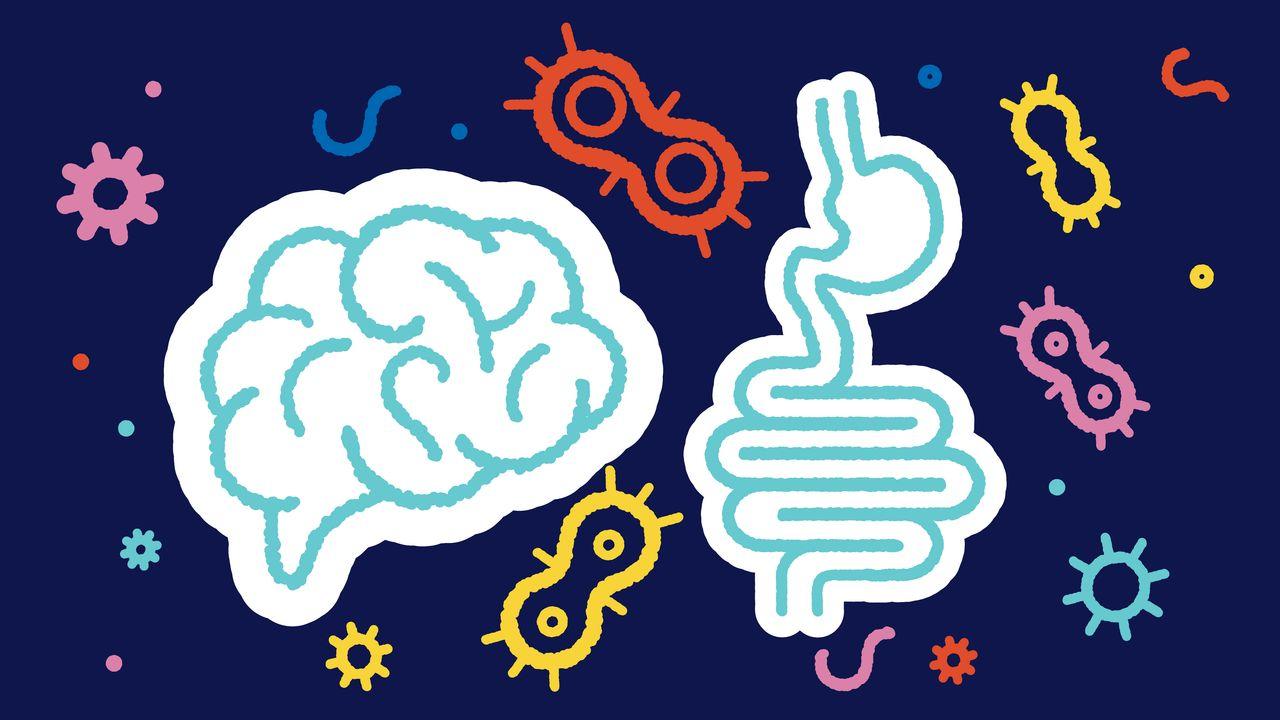
Axis intestinal-brace-brains are a high-way molecule, ancient proteins
Blue and brain, more studied and discussed and discussed by a single study to add something else.But let's get a step with first.Have a person's five senses, and the idea of an idea of more years.The external), not acceptable.A word.bul, we never know about our actions, recognition or feelings.
Let's try the existing imagination of swimming in our intestine, committed to the intestine and dynamic.Well, this option is recommended by the research in Stanford University, Arizona.Eduardo Luiaga. This discovery opens a new chapter in relation to our microbes and our main digestion.
Wired telephone
The middle part of this story is a molecule called Flagellin, a protein mainly present in a bacterial whip, a type of tail that allows the bacteria to swim slightly like sperm, a picture known in common thought.Neuropods, have the ability to feel its presence thanks to a particular receptor: TLR5 (Toll type receptor).The researchers found that the activation of this receptor stimulates the release of hormones, a YY peptide, which activates the nervous circulation directed to the brain through nerve fibers, transmitting appetite.Neurobiotic ": the sixth mind, as opposed to the tasty and sensory appearance, which would allow the brain to respond in time to the messages that sent the intestinal germs, thus regulating eating habits and affecting the dietary decisions and diet.
Rats and men
To reach these conclusions, laboratory mice were used, fasting for a night, which was then injected with a dose of flagellin in the gut.As they observe the quantities of food consumed after the resurrection, scientists realized that these mice ate less than those not exposed to the presence of appetite modulation.Then they repeated the experiment with transgenic mice, genetically modified, where the TLR5 receptor was removed: These animals ate larger meals and tended to increase weight, resulting in reduced appetite regulation.Other defense activated in response to signs of inflammation, often associated with imbalances in gut bacterial flora.
In fact, these results are not observed in rats, and are not used in the use of two types, such as the treatment of two obstacles.Animals can change health or food, and the involvement of new solutions for public health or diet.
guests at dinner
The idea of a sixth hearing of Baivernis can eg intersection not because they only start, but also because what you live in us imagined before.Maybe we're not just about knowing, but also what our microbes will say we.What are the real guests, we or them?