

 Oct 16, 2025
 3 min read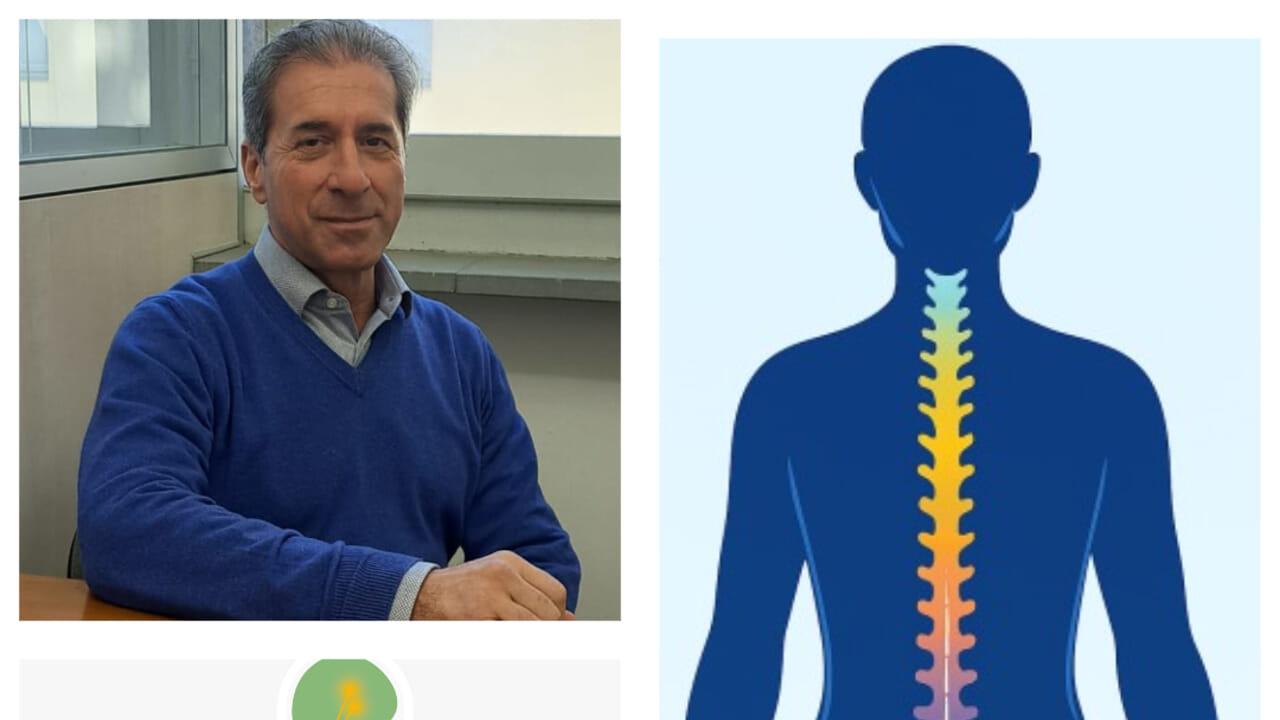
Team doctor Massimo Renzini applies the spinal cord neurostimulator in Perugia: hope for patients who have no other alternative
The "pacemaker" against pain: the first drug-free treatments for the most difficult cases in Perugia
Dr. Massimo Renzo Renzo's team will use the spinal cord of the spinal cord of Peruzzi
Perugia Hospital Pain Medicine Center marks an important step in the field of pain treatment with the realization of the first implantation of spinal cord and peripheral neurostimulator.This is an innovative therapy, based on advanced technology, that allows the control of chronic pain without the use of drugs, presenting a solution for complex patients who do not respond to pharmacological or traditional surgical procedures.
The neurostimulator works in the same way as a heart pacemaker: it has an impulse generator inserted under the skin, which instead of controlling the heartbeat, sends electrical impulses through electrodes placed in the spinal cord or near special nerves to prevent and correct pain signals.
"The interventions carried out at the Pain Center are an important step in the treatment of chronic pain - they allowed us to explain the development of pathology and improve the quality of life of tolerant, surgical and non-surgical patients, to carry out treatment with procedures to improve pathology and quality of life.
The first implant was performed on a 46-year-old patient with severe symptoms of pelvic pain after postoperative complications of a colorectal resection in 2019. After numerous intractable treatments at highly specialized facilities in Tuscany and Lombardy, the patient found relief thanks to this innovative procedure.
The surgery is performed under good direction under local anesthesia in the city, sharing the position of the two lights with ecola extension with lumbar extension during abdominal pain.The lightning is located in a small succulent pocket on the buttocks or abdomen and is not functionally independent after programming of nerve stimulation during the remote control period.This procedure requires a total of three days of maintenance time.
The second case involved a 76-year-old patient with a severe form of chronic migraine that did not respond to medication, botulinum toxin, and pain-blocking agents, which provided only temporary relief.
After detailed evaluation, under local anesthesia and sedation, two electrodes were implanted in correspondence with the occipital nerves with posterior occipital access, and radio-guided and ultrasound performed, with paravertebral subcutaneous extension to the rechargeable generator located at waist level.
The implant was performed in the anesthesia center surgery room and rescue pain medicine, directed by Dr Fabio Gori, with the help of the facility's nursing staff and radiology technicians, and with the help of Dr Massimo Renzini.
The CEO of Perugia Hospital, Dr. Antonio d'Urso, expresses his great satisfaction with this result: "I congratulate the entire Pain Center team for bringing to our facility one of the most innovative treatments in the field of pain medicine. These interventions represent the excellence that puts Perugia Hospital at the forefront of chronic pain treatment."
Praise also comes from the president of the region, Stefania Proietti, who underlines: "It is a matter of pride for our entire region that we can guarantee the citizens of Umbria technology and skills of this level, giving concrete hope to patients who until yesterday had no effective therapeutic alternatives and went outside the region."