

 Nov 06, 2025
 3 min read
Also central to becoming a human being for adults is being able to regenerate themselves, regenerate themselves, and avoid harm.just...
Can a heart attack heal itself?A treatment that reactivates its regeneration has been discovered.
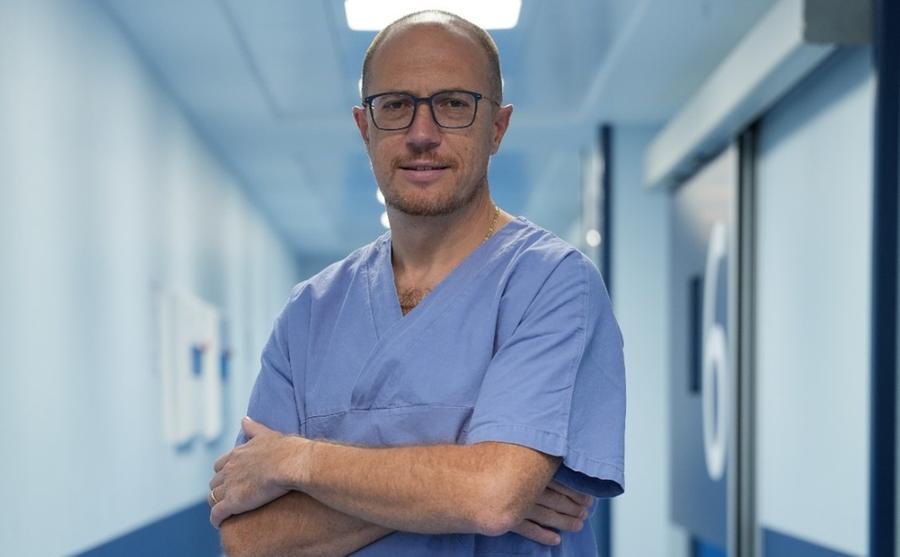
Even adult hearts can regenerate themselves, potentially allowing them to recover from damage caused by things like heart attacks. A gene called cyclin A2 (CCNA2) needs to be "reactivated." This gene is "turned off" after birth so new, functioning heart cells can be produced and help the heart repair itself. These are the surprising results of a Mount Sinai study published in the journal NPJ Regenerative Medicine.Hina Chaudhary, chair of the Department of Cardiovascular Regenerative Medicine at the Icahn School of Medicine, and her team could lead to new techniques to repair damaged hearts that can replace heart transplants or implantable cardiac devices, potentially saving lives. In fact, about 150,000 acute myocardial infarctions occur each year in Italy alone. Cardiovascular diseases, including heart attacks, are the leading cause of death in this country.
The new work is based on a study published in 2014 where Chaudhry itself and its team were the first in the world to regenerate the heart of a large mammal (pig) after a heart attack, reacting the CCNA2 gene.Now the new study shows that a people -friendly viral vector can safely and efficiently stimulate cell division in adult human heart cells.
"Heart disease is the leading cause of death in the world, but the cells of the family of adults stop passing after birth," Chauthry explained. "Our work is the first to show that we can assemble the heart in tissue after we are not able to divide the heart cells, this, he adds, controls the paradigm from controlling the signs of repairing the human heart."
When a person has a heart attack or stroke, the heart muscle loses cells that cannot be replaced.After the damage, there is no way for new heart muscle cells to grow.Chaudhry and his team wanted to see if they could rewire the heart to restore the natural pathway that allows cardiomyocyte cell division in the heart.They focused on the CCNA2 gene and reactivated it in adults to see if it would grow new cells.Get rid of heart disease and get rid of heart disease.
The research team created a human-compatible virus as a "vector" for the CCNA2 gene and inoculated it into heart muscle cells.The new method was tested directly on living adult heart cells cultured from healthy donor hearts.To analyze the behavior of heart cells using CCNA2, the researchers used time-lapse imaging and observed that the cells successfully divided and maintained normal structure and function.More specifically, the researchers examined three healthy hearts from donors aged 21, 41, and 55 years old.Gene therapy caused these adult heart cells to divide into 41- and 55-year-old hearts.In contrast, heart cells from a 21-year-old showed no changes after treatment with CCNA2.This latest finding is consistent with previous research showing that young hearts have regenerative potential and that their cells divide without the stimulation provided by CCNA2.
It is important to note that "daughter cells", i.e., cells produced by cell division, have preserved their structural proteins and normal calcium activity, thus indicating that they are functional.Further analysis showed that CCNA2 helps heart cells to “turn back time” for a short period of time, reactivating certain growth genes so they can divide and repair the heart.Interestingly, this process does not cause cell death or harmful thickening of the heart tissue seen in the disease.
"This is the culmination of nearly two decades of work," Cohurry said."We were able to improve the heart by stimulating a gene in people with heart attack or heart failure."The next step is to obtain the approval of the FDA, the US government agency, to start clinical trials of the CCNA2 drug in patients with heart disease.